Straumann Healing Abutment: It is an essential component in the dental implant restoration process. It is mainly used to guide soft tissue healing, shape the gingival contour, and lay a foundation for the installation of subsequent restoration abutments. Below is a summary of key information about Straumann healing abutments.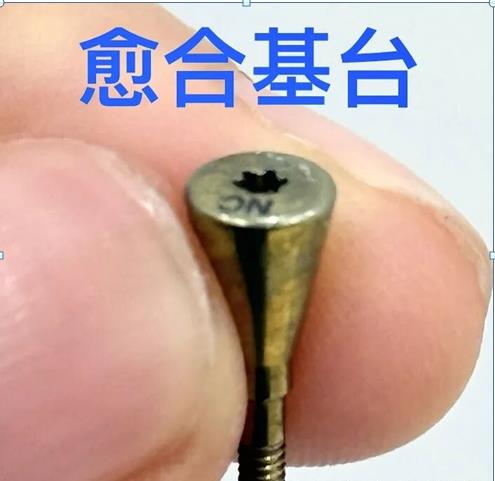
(I) Healing Abutments
🟡 NC (Narrow Cross-Lock) & 🟣 RC (Regular Cross-Lock)
(1) NC Type: Suitable for narrow-diameter implants (3.3mm), mostly applied to bone-level implants. It is ideal for anterior tooth areas or regions with thin alveolar bone, preventing exposure of metal edges and ensuring favorable aesthetic results.
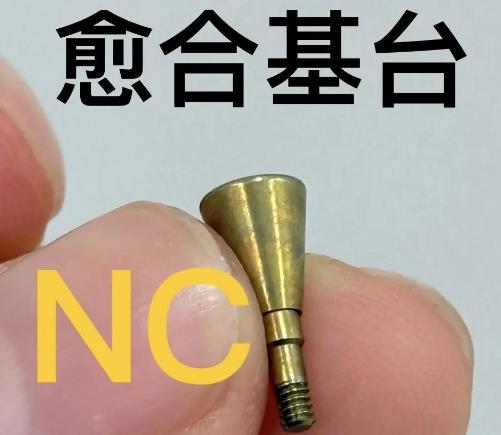
(2) RC Type: Available in regular diameters of 4.1mm and 4.8mm. It is suitable for posterior tooth areas or cases requiring higher stability, such as molar restoration.
(3) Height selection: Common specifications are 2mm, 4mm, 5mm, 6mm and so on. The appropriate height shall be determined comprehensively according to implant insertion depth, gingival thickness (generally 3-4mm) and exposure height (1-2mm).
Bone-level Implant (BL), Bone-level Tapered Implant (BLT)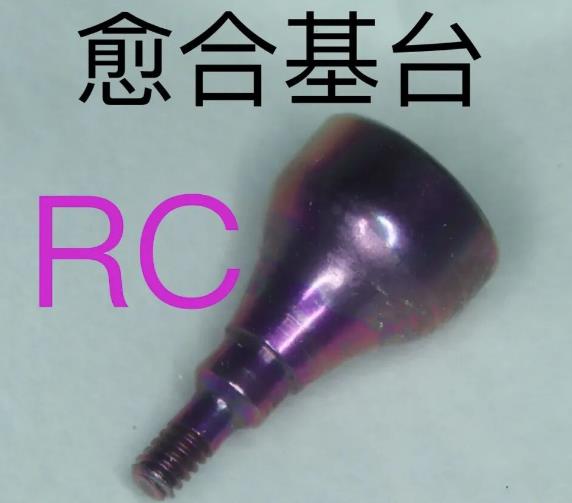
|
NC(3.3) |
||||
|
直径 (mm) |
3.3 |
3.6 |
4.8 |
5 |
|
高度(mm) |
3.5mm; 5mm |
2mm; 3.5mm; 5mm |
7mm |
|
2、NC Diameter and Height
|
RC (4.1 4.8) |
|||||||
|
直径 |
4.5 |
5 |
6 |
6.5 |
7 |
4.4 |
4.7 |
|
高度 |
2mm 4mm 6mm |
7mm |
4mm |
6m |
|||
3、Indications
|
NC type |
Anterior tooth area or areas with thin alveolar bone |
|
RC type |
Posterior tooth areas or cases requiring higher stability |
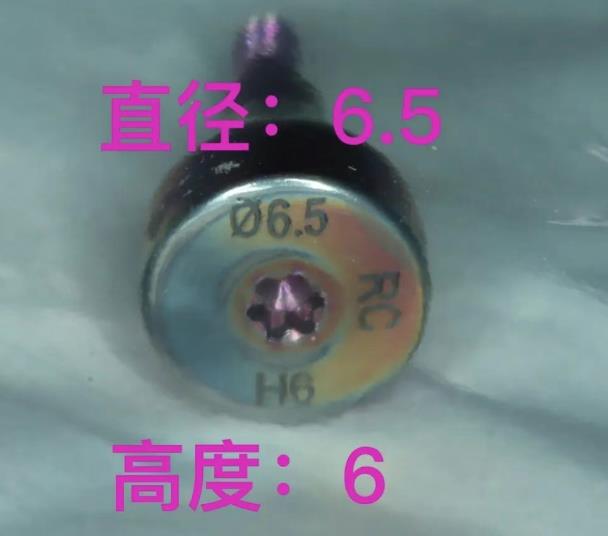
2Classification by shape and function
(1) Conical abutment: Such as Model 024 series, designed for soft tissue shaping. Its tapered structure widens the gingival contour to facilitate prosthetic installation.
(2) Flask-shaped abutment: For instance, the 3.3mm-diameter and 5mm-height specification (e.g. 024.2236), ideal for cases with special aesthetic demands or complex gingival morphology.
(3) Ceramic healing cap: Represented by CI RD series, made of biocompatible ceramic material. It is used in aesthetic zones to avoid metal discoloration exposure.
(1) Anterior tooth area: Prefer narrow-diameter (NC type) or ceramic abutments, combined with conical or octagonal abutments (e.g. 5.7mm 20° octagonal abutment) to optimize aesthetic effect.
(2) Posterior tooth area: Adopt regular-diameter (RC type) or higher abutments (e.g. 4.5mm diameter, 6mm height) for stronger mechanical support.
Straumann bone-level implants (BL/BLT series) shall be matched with corresponding bone-level healing abutments; soft-tissue level implants are compatible with synOcta abutments and others.
For example, BLT tapered implants are commonly paired with height-adjustable healing abutments (5mm or 7mm) to adapt to different insertion depths.
(1) Implant protection: After implant placement, the cover screw seals the internal threads of the implant to prevent invasion of bone and soft tissues.
(2) Healing promotion: During osseointegration between implant and bone tissue, it keeps the top of the implant clean to facilitate tissue healing.
(1) It is used immediately after implant insertion until complete osseointegration, which generally takes 3 to 6 months.
(2) After osseointegration, the cover screw is removed and replaced with healing abutments or other restorative components.
|
直径 |
|
|
NC |
0mm 0.5mm |
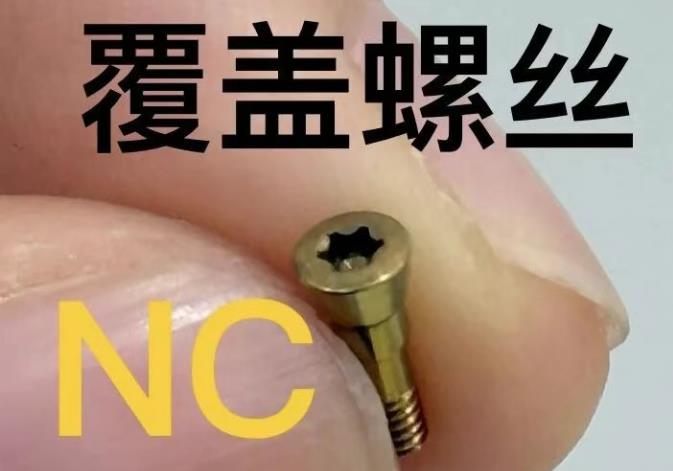
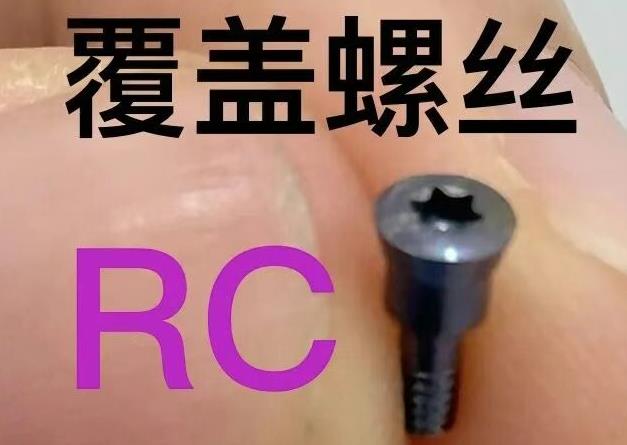
(1) Screw the cover screw into the internal threads of the implant right after implant placement.
(2) Ensure full seating of the cover screw to avoid loosening or protrusion.
(3) Remove the cover screw with special instruments once the healing period ends.
Make sure the cover screw matches the implant model.
Perform operations under sterile conditions to prevent infection.
Conduct regular re-examinations to guarantee firm fixation and rule out complications.


